How to Choose a Build-to-Suit Contractor in Florida (2026)

What to Look for When Hiring a Build-to-Suit Construction Contractor in Florida
When selecting a build-to-suit contractor in Florida, verify unlimited commercial contractor licensing through the Department of Business and Professional Regulation (DBPR), review completed portfolios with projects similar to yours in size and sector, and confirm financial bonding capacity.

Choosing the right build-to-suit contractor determines whether your retail, restaurant, medical office, or industrial facility opens on time, on budget, and without the legal headaches that follow undercapitalized or inexperienced firms. Florida’s competitive commercial construction market includes hundreds of licensed contractors, but build-to-suit construction requires specialized capabilities in site development, permitting coordination, and turnkey delivery that many general contractors lack. Understanding which credentials, portfolio markers, and operational practices separate qualified build-to-suit firms from those bidding beyond their competence protects your investment and timeline.

Written by The Team at WFO Construction — Commercial general contractor with 20+ years of experience and 500+ completed projects across Florida, Georgia, and South Carolina. Unlimited commercial contractor licenses in all three states.

What Licenses and Certifications Does a Florida Build-to-Suit Contractor Need?

A qualified Florida build-to-suit contractor must hold an unlimited Certified General Contractor (CGC) license issued by the Florida Department of Business and Professional Regulation, which permits commercial projects of any size and scope without dollar-value restrictions.[1] This distinguishes them from Certified Building Contractors (CBC), whose licenses limit them to residential-scale work, or contractors holding county-level licenses capped at project values under $500,000.
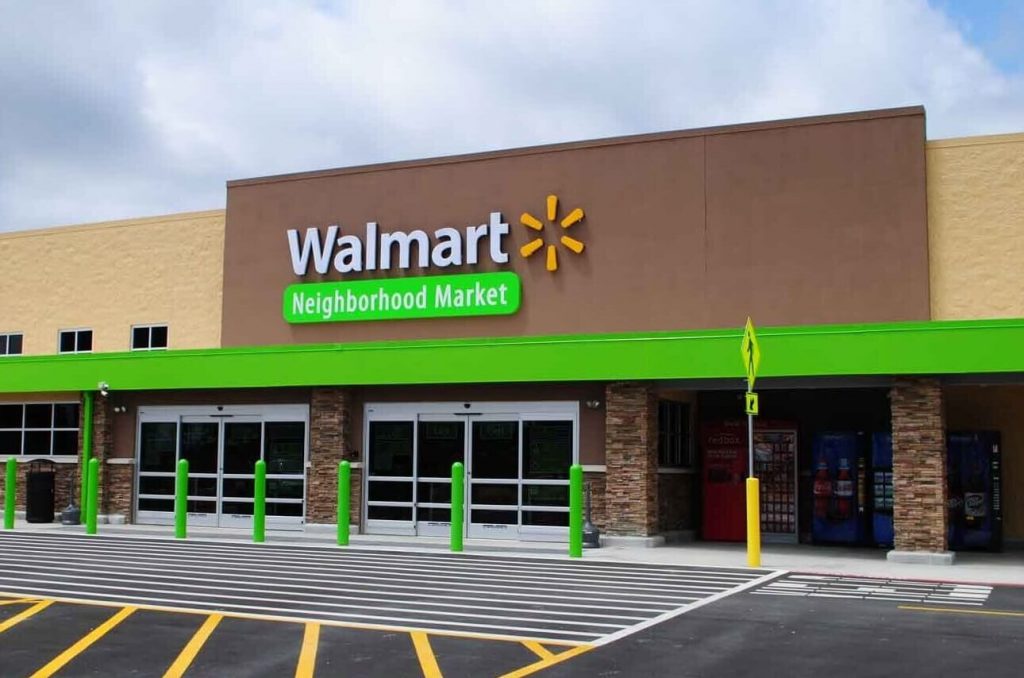
Large-format big-box commercial construction project by WFO Construction | How to Choose a Build-to-Suit Contractor in Florida (2026)
WFO Construction holds unlimited commercial contractor licenses in Florida, Georgia, and South Carolina.

Before signing any contract, verify the contractor’s license status through the DBPR’s online portal at myfloridalicense.com.[1] Confirm the license is active, check for any disciplinary actions or complaints, and ensure the contractor carries the state-mandated $50,000 surety bond and $1 million general liability insurance minimum.[2] For multi-state projects or contractors serving clients across the Southeast, look for licensure in adjoining states — WFO Construction, for example, holds unlimited commercial licenses in Florida, Georgia, and South Carolina, enabling seamless project execution for developers with regional portfolios.

Additional certifications that signal specialized expertise include OSHA 30-Hour Construction Safety credentials for site supervisors, EPA Lead-Safe Certification for renovation work, and membership in professional organizations such as the Associated Builders and Contractors (ABC) or the National Association of Home Builders (NAHB) Commercial Builders Council.[3] These affiliations demonstrate commitment to continuing education and adherence to industry best practices.

How Do You Evaluate a Contractor’s Build-to-Suit Portfolio and Experience?

Request a portfolio of at least five completed build-to-suit projects that match your facility type (retail, medical, restaurant, industrial) and square footage range, then verify occupancy dates, final costs, and owner references for each project. Generic commercial experience does not translate directly to build-to-suit capabilities, which require coordination of site acquisition, civil engineering, permitting, construction, and tenant fit-out as a single integrated process.[4]

Ask for project case studies that detail scope, budget, timeline, and challenges overcome. High-performing contractors maintain documented portfolios with photos, floor plans, and outcome metrics. At WFO Construction, our project gallery includes more than 500 completed commercial projects across Florida, Georgia, and South Carolina, spanning single-tenant retail, multi-tenant strip centers, quick-service restaurants, and specialized industrial facilities. When evaluating portfolios, prioritize recent work completed within the past three years — construction costs, code requirements, and material lead times have shifted significantly since 2020.

Beyond static portfolios, request owner references and conduct direct interviews. Ask previous clients about change-order frequency, punch-list resolution speed, warranty responsiveness, and whether the contractor maintained schedule milestones. Contractors confident in their performance provide references willingly; those who deflect or offer only selective contacts raise red flags.

What Financial Capacity and Bonding Should You Verify?

Build-to-suit projects require contractors with sufficient bonding capacity to cover 100% of your project value, typically provided through payment and performance bonds issued by a surety rated A- or better by A.M. Best.[5] Bonding protects owners if the contractor defaults, becomes insolvent, or fails to pay subcontractors and suppliers, which can result in mechanic’s liens against your property.

Request a letter of bondability from the contractor’s surety agent confirming available capacity for your project size. Contractors with strong financial statements, consistent revenue history, and low debt-to-equity ratios secure bonding at favorable rates and pass those savings to clients. Undercapitalized contractors may offer low bids but lack the working capital to manage cash flow through long-lead material purchases or weather payment delays, increasing default risk.

Review the contractor’s Dun & Bradstreet report or request audited financial statements for projects exceeding $2 million. Florida Statutes § 713.135 requires contractors to provide sworn statements listing all subcontractors and suppliers before final payment, which serves as a check against unpaid liens.[6] Contractors who resist financial transparency or cannot provide bonding documentation should be eliminated from consideration immediately.

How Important Is Local Permitting and Code Knowledge?

Contractors with deep local permitting experience reduce approval timelines by 30-50% compared to out-of-area firms unfamiliar with Florida’s county-specific building departments, fire marshal requirements, and water management district regulations. Florida’s building codes adopted the 2020 Florida Building Code (FBC) statewide, but local amendments, impact fees, and review processes vary significantly between counties and municipalities.[7]

Ask how the contractor manages the permitting process: Do they employ in-house permit coordinators, or do they rely on third-party expediters? What is their average time from permit submission to approval for projects similar to yours? In high-growth Florida markets like Jacksonville, Orlando, and Tampa, permit backlogs can extend 60-90 days unless the contractor has established relationships with building officials and understands how to structure submittals for expedited review.

Local contractors also navigate Florida-specific challenges more effectively — hurricane wind load requirements, flood elevation mandates in FEMA-designated zones, and the state’s strict stormwater retention rules administered by regional water management districts. WFO Construction’s two-decade presence in Florida gives us institutional knowledge of permitting workflows across dozens of jurisdictions, enabling us to forecast approval timelines with high accuracy and structure construction schedules accordingly.

What Communication and Project Management Systems Should a Contractor Use?

Professional build-to-suit contractors use cloud-based project management platforms such as Procore, Buildertrend, or PlanGrid to provide real-time schedule updates, budget tracking, submittal logs, and RFI (request for information) resolution with response times under 48 hours.[8] Transparency in communication prevents the cost overruns and schedule slippage that plague projects managed through email chains and spreadsheet updates.

During contractor interviews, ask to see a sample project dashboard and request examples of weekly progress reports. High-performing contractors provide photo documentation, updated schedules with critical path analysis, and detailed cost tracking showing budget versus actuals at the line-item level. They assign a dedicated project manager as your single point of contact, supported by field superintendents who maintain daily logs and enforce quality control checklists.

Evaluate the contractor’s approach to change orders — a formalized process with written documentation, cost breakdowns, and schedule impact analysis protects both parties. Contractors who issue vague lump-sum change orders or delay pricing until after work begins expose owners to budget uncertainty. At WFO Construction, our project management approach includes transparent change-order protocols, with full cost justification and owner approval required before proceeding with any scope modifications.

Evaluation Criteria Red Flag Green Flag
Licensing County-level or CBC license only Unlimited CGC license, multi-state if applicable
Portfolio Generic commercial work, no build-to-suit examples 5+ recent projects matching your facility type
Bonding Cannot provide bondability letter A-rated surety, capacity confirmed in writing
References Deflects or offers only selective contacts Provides 5+ owner references willingly
Technology Email and spreadsheet project tracking Cloud-based platform with real-time updates
Change Orders Vague lump-sum pricing, verbal approvals Written documentation, cost breakdowns, schedule impact

What Are the Biggest Red Flags When Hiring a Build-to-Suit Contractor?

Immediate disqualifiers include contractors who request large upfront deposits exceeding 10% of contract value, refuse to provide detailed cost breakdowns, or cannot produce current certificates of insurance and bonding. Florida law limits initial deposits to 10% or $1,000, whichever is less, for residential work; while commercial contracts allow more flexibility, excessive upfront payments signal cash-flow distress or inexperience.[2]

Other warning signs include contractors who pressure you to sign before completing due diligence, offer bids significantly below market rates (suggesting scope gaps or unsustainable pricing), or use unlicensed subcontractors. Florida requires all subcontractors performing work over $2,500 to hold active state or local licenses, and general contractors bear liability for using unlicensed labor.[1] Always request a full subcontractor list with license verification before contract execution.

Avoid contractors with recent disciplinary actions visible on the DBPR database, unresolved lawsuits, or patterns of mechanic’s liens filed against their projects. Check county clerk records for litigation history and verify Better Business Bureau ratings. Contractors who cannot provide a three-year claims history from their insurance carrier may be concealing quality or safety issues that drove up premiums or led to policy cancellations.

Ready to evaluate build-to-suit contractors for your Florida project? Contact the WFO Construction team at 904-435-3445 or submit your project details through our bid request form — we’re ready to discuss your project specifics and provide a no-obligation quote backed by 20+ years of commercial construction expertise.

Frequently Asked Questions

How long does it take to complete a build-to-suit project in Florida?

Typical build-to-suit timelines range from 9-14 months from site acquisition to certificate of occupancy, depending on project size, permitting complexity, and site conditions. Simple single-tenant retail builds on pad-ready sites may complete in 6-8 months, while multi-tenant centers or facilities requiring extensive civil work can extend to 18 months.

What is the difference between a general contractor and a build-to-suit contractor?

General contractors execute construction based on completed designs and permits provided by the owner. Build-to-suit contractors offer turnkey delivery, managing site selection, civil engineering, permitting, design coordination, construction, and tenant improvements as a single integrated service, reducing the owner’s administrative burden and timeline.

Should I choose the lowest bid for my build-to-suit project?

No — bids more than 15% below market averages often indicate scope gaps, unlicensed subcontractors, or unsustainable pricing that leads to change orders and cost overruns. Evaluate bids based on total value: contractor qualifications, warranty terms, schedule certainty, and long-term performance, not price alone.

What warranties should a build-to-suit contractor provide?

Standard warranties include a one-year workmanship warranty covering defects in construction, manufacturer warranties on equipment and materials (typically 1-10 years depending on the component), and a 10-year structural warranty. High-quality contractors stand behind their work with responsive warranty service and documented maintenance protocols.

Can a build-to-suit contractor help with financing or lease negotiations?

Experienced build-to-suit contractors often assist with cost estimation and value engineering to support financing applications, and they coordinate with landlords or developers on lease-related construction requirements. However, they do not provide financial advice or legal counsel — engage a commercial real estate attorney and financial advisor for those services.

Selecting a build-to-suit contractor is the most consequential decision in your commercial development process. By verifying licensing, evaluating portfolios with matching project types, confirming financial capacity, and demanding transparent communication systems, you protect your investment and ensure a facility that meets your operational needs and timeline. Contact WFO Construction at 904-435-3445 or visit our bid request page — the WFO Construction team is ready to discuss your project specifics and provide a no-obligation quote.

Written by The Team at WFO Construction — Commercial general contractor with 20+ years of experience and 500+ completed projects across Florida, Georgia, and South Carolina. Updated January 2026.

References

  1. Florida Department of Business and Professional Regulation. Construction Industry Licensing. https://www.myfloridalicense.com/DBPR/construction-industry/
  2. Florida Statutes, Title XXXII, Chapter 489. Contracting. https://www.flsenate.gov/Laws/Statutes/2023/Chapter489
  3. Associated Builders and Contractors. Safety & Health Programs. https://www.abc.org/Safety
  4. National Association of Home Builders. Commercial Building Best Practices. https://www.nahb.org/commercial
  5. Surety & Fidelity Association of America. Contract Surety Bonds. https://www.surety.org
  6. Florida Statutes, Title XL, Chapter 713. Liens. https://www.flsenate.gov/Laws/Statutes/2023/Chapter713
  7. Florida Building Commission. 2020 Florida Building Code. https://floridabuilding.org
  8. Procore Technologies. Construction Project Management Software. https://www.procore.com
{“@context”:”https://schema.org”,”@graph”:[{“@type”:”WebPage”,”@id”:”https://wfoconstruction.com/how-to-choose-a-build-to-suit-contractor-florida/”,”url”:”https://wfoconstruction.com/how-to-choose-a-build-to-suit-contractor-florida/”,”name”:”How to Choose a Build-to-Suit Contractor in Florida (2026)”,”description”:”Learn what to look for when hiring a build-to-suit contractor in Florida. Licensing, portfolio depth, communication protocols, and red flags to avoid.”,”datePublished”:”2026-01-15″,”dateModified”:”2026-01-15″,”author”:{“@type”:”Organization”,”name”:”WFO Construction”},”publisher”:{“@type”:”Organization”,”name”:”WFO Construction”,”logo”:{“@type”:”ImageObject”,”url”:”https://wfoconstruction.com/logo.png”}}},{“@type”:”FAQPage”,”mainEntity”:[{“@type”:”Question”,”name”:”How long does it take to complete a build-to-suit project in Florida?”,”acceptedAnswer”:{“@type”:”Answer”,”text”:”Typical build-to-suit timelines range from 9-14 months from site acquisition to certificate of occupancy.”}},{“@type”:”Question”,”name”:”What is the difference between a general contractor and a build-to-suit contractor?”,”acceptedAnswer”:{“@type”:”Answer”,”text”:”Build-to-suit contractors offer turnkey delivery, managing site selection, civil engineering, permitting, design coordination, construction, and tenant improvements as a single integrated service.”}},{“@type”:”Question”,”name”:”Should I choose the lowest bid for my build-to-suit project?”,”acceptedAnswer”:{“@type”:”Answer”,”text”:”Bids more than 15% below market averages often indicate scope gaps or unsustainable pricing that leads to change orders and cost overruns.”}},{“@type”:”Question”,”name”:”What warranties should a build-to-suit contractor provide?”,”acceptedAnswer”:{“@type”:”Answer”,”text”:”Standard warranties include a one-year workmanship warranty, manufacturer warranties on equipment and materials, and a 10-year structural warranty.”}},{“@type”:”Question”,”name”:”Can a build-to-suit contractor help with financing or lease negotiations?”,”acceptedAnswer”:{“@type”:”Answer”,”text”:”Experienced contractors often assist with cost estimation and value engineering to support financing applications and coordinate with landlords on lease-related construction requirements.”}}]}]}
What to Look for When Hiring a Build-to-Suit Construction Contractor in Florida
When selecting a build-to-suit contractor in Florida, verify unlimited commercial contractor licensing through the Department of Business and Professional Regulation (DBPR), review completed portfolios with projects similar to yours in size and sector, and confirm financial bonding capacity.

Choosing the right build-to-suit contractor determines whether your retail, restaurant, medical office, or industrial facility opens on time, on budget, and without the legal headaches that follow undercapitalized or inexperienced firms. Florida's competitive commercial construction market includes hundreds of licensed contractors, but build-to-suit construction requires specialized capabilities in site development, permitting coordination, and turnkey delivery that many general contractors lack. Understanding which credentials, portfolio markers, and operational practices separate qualified build-to-suit firms from those bidding beyond their competence protects your investment and timeline.

Written by The Team at WFO Construction — Commercial general contractor with 20+ years of experience and 500+ completed projects across Florida, Georgia, and South Carolina. Unlimited commercial contractor licenses in all three states.

What Licenses and Certifications Does a Florida Build-to-Suit Contractor Need?

A qualified Florida build-to-suit contractor must hold an unlimited Certified General Contractor (CGC) license issued by the Florida Department of Business and Professional Regulation, which permits commercial projects of any size and scope without dollar-value restrictions.[1] This distinguishes them from Certified Building Contractors (CBC), whose licenses limit them to residential-scale work, or contractors holding county-level licenses capped at project values under $500,000.

Large-format big-box commercial construction project by WFO Construction | How to Choose a Build-to-Suit Contractor in Florida (2026)
WFO Construction holds unlimited commercial contractor licenses in Florida, Georgia, and South Carolina.

Before signing any contract, verify the contractor's license status through the DBPR's online portal at myfloridalicense.com.[1] Confirm the license is active, check for any disciplinary actions or complaints, and ensure the contractor carries the state-mandated $50,000 surety bond and $1 million general liability insurance minimum.[2] For multi-state projects or contractors serving clients across the Southeast, look for licensure in adjoining states — WFO Construction, for example, holds unlimited commercial licenses in Florida, Georgia, and South Carolina, enabling seamless project execution for developers with regional portfolios.

Additional certifications that signal specialized expertise include OSHA 30-Hour Construction Safety credentials for site supervisors, EPA Lead-Safe Certification for renovation work, and membership in professional organizations such as the Associated Builders and Contractors (ABC) or the National Association of Home Builders (NAHB) Commercial Builders Council.[3] These affiliations demonstrate commitment to continuing education and adherence to industry best practices.

How Do You Evaluate a Contractor's Build-to-Suit Portfolio and Experience?

Request a portfolio of at least five completed build-to-suit projects that match your facility type (retail, medical, restaurant, industrial) and square footage range, then verify occupancy dates, final costs, and owner references for each project. Generic commercial experience does not translate directly to build-to-suit capabilities, which require coordination of site acquisition, civil engineering, permitting, construction, and tenant fit-out as a single integrated process.[4]

Ask for project case studies that detail scope, budget, timeline, and challenges overcome. High-performing contractors maintain documented portfolios with photos, floor plans, and outcome metrics. At WFO Construction, our project gallery includes more than 500 completed commercial projects across Florida, Georgia, and South Carolina, spanning single-tenant retail, multi-tenant strip centers, quick-service restaurants, and specialized industrial facilities. When evaluating portfolios, prioritize recent work completed within the past three years — construction costs, code requirements, and material lead times have shifted significantly since 2020.

Beyond static portfolios, request owner references and conduct direct interviews. Ask previous clients about change-order frequency, punch-list resolution speed, warranty responsiveness, and whether the contractor maintained schedule milestones. Contractors confident in their performance provide references willingly; those who deflect or offer only selective contacts raise red flags.

What Financial Capacity and Bonding Should You Verify?

Build-to-suit projects require contractors with sufficient bonding capacity to cover 100% of your project value, typically provided through payment and performance bonds issued by a surety rated A- or better by A.M. Best.[5] Bonding protects owners if the contractor defaults, becomes insolvent, or fails to pay subcontractors and suppliers, which can result in mechanic's liens against your property.

Request a letter of bondability from the contractor's surety agent confirming available capacity for your project size. Contractors with strong financial statements, consistent revenue history, and low debt-to-equity ratios secure bonding at favorable rates and pass those savings to clients. Undercapitalized contractors may offer low bids but lack the working capital to manage cash flow through long-lead material purchases or weather payment delays, increasing default risk.

Review the contractor's Dun & Bradstreet report or request audited financial statements for projects exceeding $2 million. Florida Statutes § 713.135 requires contractors to provide sworn statements listing all subcontractors and suppliers before final payment, which serves as a check against unpaid liens.[6] Contractors who resist financial transparency or cannot provide bonding documentation should be eliminated from consideration immediately.

How Important Is Local Permitting and Code Knowledge?

Contractors with deep local permitting experience reduce approval timelines by 30-50% compared to out-of-area firms unfamiliar with Florida's county-specific building departments, fire marshal requirements, and water management district regulations. Florida's building codes adopted the 2020 Florida Building Code (FBC) statewide, but local amendments, impact fees, and review processes vary significantly between counties and municipalities.[7]

Ask how the contractor manages the permitting process: Do they employ in-house permit coordinators, or do they rely on third-party expediters? What is their average time from permit submission to approval for projects similar to yours? In high-growth Florida markets like Jacksonville, Orlando, and Tampa, permit backlogs can extend 60-90 days unless the contractor has established relationships with building officials and understands how to structure submittals for expedited review.

Local contractors also navigate Florida-specific challenges more effectively — hurricane wind load requirements, flood elevation mandates in FEMA-designated zones, and the state's strict stormwater retention rules administered by regional water management districts. WFO Construction's two-decade presence in Florida gives us institutional knowledge of permitting workflows across dozens of jurisdictions, enabling us to forecast approval timelines with high accuracy and structure construction schedules accordingly.

What Communication and Project Management Systems Should a Contractor Use?

Professional build-to-suit contractors use cloud-based project management platforms such as Procore, Buildertrend, or PlanGrid to provide real-time schedule updates, budget tracking, submittal logs, and RFI (request for information) resolution with response times under 48 hours.[8] Transparency in communication prevents the cost overruns and schedule slippage that plague projects managed through email chains and spreadsheet updates.

During contractor interviews, ask to see a sample project dashboard and request examples of weekly progress reports. High-performing contractors provide photo documentation, updated schedules with critical path analysis, and detailed cost tracking showing budget versus actuals at the line-item level. They assign a dedicated project manager as your single point of contact, supported by field superintendents who maintain daily logs and enforce quality control checklists.

Evaluate the contractor's approach to change orders — a formalized process with written documentation, cost breakdowns, and schedule impact analysis protects both parties. Contractors who issue vague lump-sum change orders or delay pricing until after work begins expose owners to budget uncertainty. At WFO Construction, our project management approach includes transparent change-order protocols, with full cost justification and owner approval required before proceeding with any scope modifications.

Evaluation Criteria Red Flag Green Flag
Licensing County-level or CBC license only Unlimited CGC license, multi-state if applicable
Portfolio Generic commercial work, no build-to-suit examples 5+ recent projects matching your facility type
Bonding Cannot provide bondability letter A-rated surety, capacity confirmed in writing
References Deflects or offers only selective contacts Provides 5+ owner references willingly
Technology Email and spreadsheet project tracking Cloud-based platform with real-time updates
Change Orders Vague lump-sum pricing, verbal approvals Written documentation, cost breakdowns, schedule impact

What Are the Biggest Red Flags When Hiring a Build-to-Suit Contractor?

Immediate disqualifiers include contractors who request large upfront deposits exceeding 10% of contract value, refuse to provide detailed cost breakdowns, or cannot produce current certificates of insurance and bonding. Florida law limits initial deposits to 10% or $1,000, whichever is less, for residential work; while commercial contracts allow more flexibility, excessive upfront payments signal cash-flow distress or inexperience.[2]

Other warning signs include contractors who pressure you to sign before completing due diligence, offer bids significantly below market rates (suggesting scope gaps or unsustainable pricing), or use unlicensed subcontractors. Florida requires all subcontractors performing work over $2,500 to hold active state or local licenses, and general contractors bear liability for using unlicensed labor.[1] Always request a full subcontractor list with license verification before contract execution.

Avoid contractors with recent disciplinary actions visible on the DBPR database, unresolved lawsuits, or patterns of mechanic's liens filed against their projects. Check county clerk records for litigation history and verify Better Business Bureau ratings. Contractors who cannot provide a three-year claims history from their insurance carrier may be concealing quality or safety issues that drove up premiums or led to policy cancellations.

Ready to evaluate build-to-suit contractors for your Florida project? Contact the WFO Construction team at 904-435-3445 or submit your project details through our bid request form — we're ready to discuss your project specifics and provide a no-obligation quote backed by 20+ years of commercial construction expertise.

Frequently Asked Questions

How long does it take to complete a build-to-suit project in Florida?

Typical build-to-suit timelines range from 9-14 months from site acquisition to certificate of occupancy, depending on project size, permitting complexity, and site conditions. Simple single-tenant retail builds on pad-ready sites may complete in 6-8 months, while multi-tenant centers or facilities requiring extensive civil work can extend to 18 months.

What is the difference between a general contractor and a build-to-suit contractor?

General contractors execute construction based on completed designs and permits provided by the owner. Build-to-suit contractors offer turnkey delivery, managing site selection, civil engineering, permitting, design coordination, construction, and tenant improvements as a single integrated service, reducing the owner's administrative burden and timeline.

Should I choose the lowest bid for my build-to-suit project?

No — bids more than 15% below market averages often indicate scope gaps, unlicensed subcontractors, or unsustainable pricing that leads to change orders and cost overruns. Evaluate bids based on total value: contractor qualifications, warranty terms, schedule certainty, and long-term performance, not price alone.

What warranties should a build-to-suit contractor provide?

Standard warranties include a one-year workmanship warranty covering defects in construction, manufacturer warranties on equipment and materials (typically 1-10 years depending on the component), and a 10-year structural warranty. High-quality contractors stand behind their work with responsive warranty service and documented maintenance protocols.

Can a build-to-suit contractor help with financing or lease negotiations?

Experienced build-to-suit contractors often assist with cost estimation and value engineering to support financing applications, and they coordinate with landlords or developers on lease-related construction requirements. However, they do not provide financial advice or legal counsel — engage a commercial real estate attorney and financial advisor for those services.

Selecting a build-to-suit contractor is the most consequential decision in your commercial development process. By verifying licensing, evaluating portfolios with matching project types, confirming financial capacity, and demanding transparent communication systems, you protect your investment and ensure a facility that meets your operational needs and timeline. Contact WFO Construction at 904-435-3445 or visit our bid request page — the WFO Construction team is ready to discuss your project specifics and provide a no-obligation quote.

Written by The Team at WFO Construction — Commercial general contractor with 20+ years of experience and 500+ completed projects across Florida, Georgia, and South Carolina. Updated January 2026.

References

  1. Florida Department of Business and Professional Regulation. Construction Industry Licensing. https://www.myfloridalicense.com/DBPR/construction-industry/
  2. Florida Statutes, Title XXXII, Chapter 489. Contracting. https://www.flsenate.gov/Laws/Statutes/2023/Chapter489
  3. Associated Builders and Contractors. Safety & Health Programs. https://www.abc.org/Safety
  4. National Association of Home Builders. Commercial Building Best Practices. https://www.nahb.org/commercial
  5. Surety & Fidelity Association of America. Contract Surety Bonds. https://www.surety.org
  6. Florida Statutes, Title XL, Chapter 713. Liens. https://www.flsenate.gov/Laws/Statutes/2023/Chapter713
  7. Florida Building Commission. 2020 Florida Building Code. https://floridabuilding.org
  8. Procore Technologies. Construction Project Management Software. https://www.procore.com
{"@context":"https://schema.org","@graph":[{"@type":"WebPage","@id":"https://wfoconstruction.com/how-to-choose-a-build-to-suit-contractor-florida/","url":"https://wfoconstruction.com/how-to-choose-a-build-to-suit-contractor-florida/","name":"How to Choose a Build-to-Suit Contractor in Florida (2026)","description":"Learn what to look for when hiring a build-to-suit contractor in Florida. Licensing, portfolio depth, communication protocols, and red flags to avoid.","datePublished":"2026-01-15","dateModified":"2026-01-15","author":{"@type":"Organization","name":"WFO Construction"},"publisher":{"@type":"Organization","name":"WFO Construction","logo":{"@type":"ImageObject","url":"https://wfoconstruction.com/logo.png"}}},{"@type":"FAQPage","mainEntity":[{"@type":"Question","name":"How long does it take to complete a build-to-suit project in Florida?","acceptedAnswer":{"@type":"Answer","text":"Typical build-to-suit timelines range from 9-14 months from site acquisition to certificate of occupancy."}},{"@type":"Question","name":"What is the difference between a general contractor and a build-to-suit contractor?","acceptedAnswer":{"@type":"Answer","text":"Build-to-suit contractors offer turnkey delivery, managing site selection, civil engineering, permitting, design coordination, construction, and tenant improvements as a single integrated service."}},{"@type":"Question","name":"Should I choose the lowest bid for my build-to-suit project?","acceptedAnswer":{"@type":"Answer","text":"Bids more than 15% below market averages often indicate scope gaps or unsustainable pricing that leads to change orders and cost overruns."}},{"@type":"Question","name":"What warranties should a build-to-suit contractor provide?","acceptedAnswer":{"@type":"Answer","text":"Standard warranties include a one-year workmanship warranty, manufacturer warranties on equipment and materials, and a 10-year structural warranty."}},{"@type":"Question","name":"Can a build-to-suit contractor help with financing or lease negotiations?","acceptedAnswer":{"@type":"Answer","text":"Experienced contractors often assist with cost estimation and value engineering to support financing applications and coordinate with landlords on lease-related construction requirements."}}]}]}
Habit Burger restaurant in Jacksonville built by WFO Construction — how to choose a build-to-suit contractor florida

Table of Contents