Retail Center Construction in Jacksonville, FL: Strip Malls, Shopping Centers & Mixed-Use Development
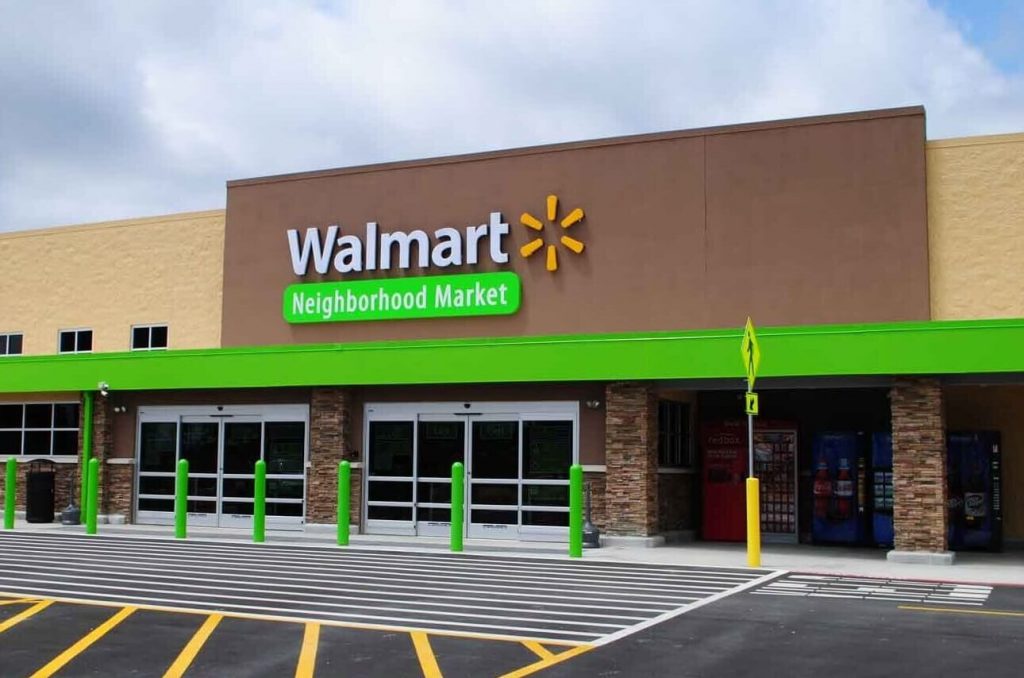
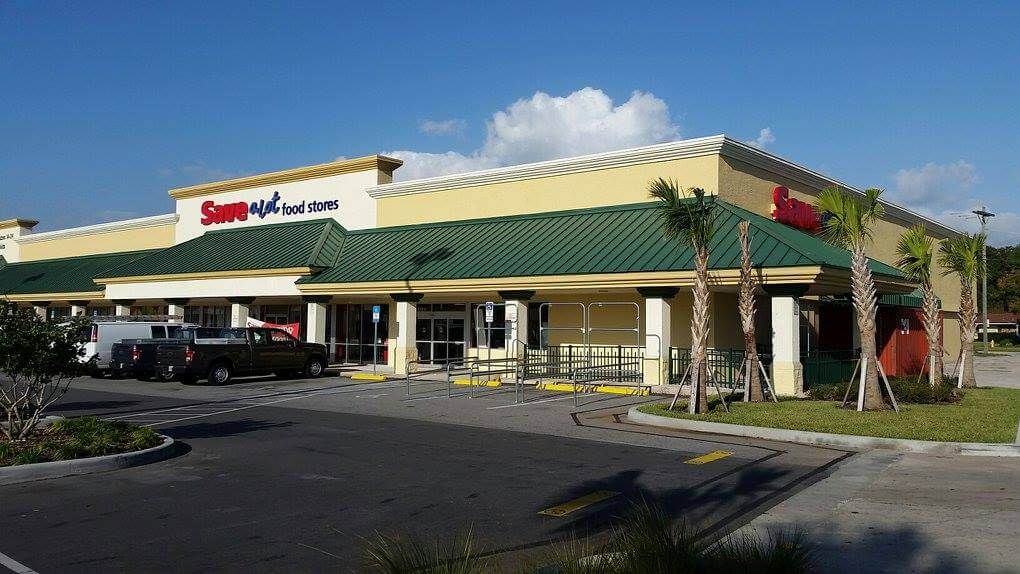
Retail center construction in Jacksonville, FL requires coordinated execution across site development, shell construction, tenant improvement coordination, and ADA/fire code compliance to deliver income-producing assets on schedule and within budget. WFO Construction has completed over 500 commercial projects across the Southeast since 2005, including retail centers ranging from 5,000-square-foot strip malls to 400,000-square-foot community shopping centers. Our experience spans Jacksonville’s major retail corridors—St. Johns Town Center, Regency Square, Southside Boulevard, and the Town Center Promenade—where we’ve built ground-up developments and coordinated multi-tenant lease delivery under aggressive schedules.[1]
What Are the Key Phases of Retail Center Construction in Jacksonville?
Retail center construction follows a six-phase process: site acquisition and zoning approval, architectural design and tenant planning, shell construction, common area improvements, demising wall installation, and tenant improvement coordination. Each phase requires specialized expertise and coordination with municipal authorities, architects, engineers, and prospective tenants. Jacksonville developers must navigate Duval County zoning regulations, Florida Building Code High Velocity Hurricane Zone (HVHZ) requirements, and stormwater management standards specific to Northeast Florida’s coastal climate.[2]
The site acquisition phase determines project feasibility. Retail developers analyze traffic counts, demographics, and zoning classifications to confirm allowed uses. Jacksonville’s Unified Development Code governs permitted commercial activities, parking ratios (typically 4-5 spaces per 1,000 SF of leasable area), and setback requirements. Preliminary site plans submitted to the Jacksonville Planning and Development Department identify wetlands, floodplain zones, and required environmental mitigation measures before construction can begin.[3]
Architectural design integrates tenant mix planning with building efficiency. Strip centers typically allocate 15-20% of gross square footage to common areas (corridors, restrooms, mechanical rooms), while anchored community centers may dedicate 25-30% to mall circulation and anchor tenant-specific infrastructure. Early tenant commitments allow architects to design demising wall locations, utility distribution points, and storefront configurations that minimize later modifications. This pre-planning reduces tenant improvement costs by 12-18% compared to speculative shell buildings.[4]
How Does Shell Construction Differ Across Retail Center Types?
Shell construction methods—tilt-up concrete, structural steel frame, or masonry bearing wall—vary based on center size, tenant requirements, and Florida’s hurricane wind load criteria. Jacksonville falls within the Florida Building Code’s Wind Zone, requiring design wind speeds of 140-150 mph for Risk Category II buildings. Retail centers exceeding 10,000 SF typically require engineering certification for wind uplift resistance, opening protection (impact-rated glass or shutters), and continuous load path from roof to foundation.[2]
Tilt-up concrete panels dominate Jacksonville retail center construction for buildings 15,000-100,000 SF. Panels cast on-site and tilted into place offer superior hurricane resistance, 4-hour fire ratings, and lower insurance premiums compared to wood-frame or light-gauge steel. Wall thickness ranges from 5.5 inches for single-story centers to 7.5 inches for two-story mixed-use buildings with residential units above retail. Tilt-up construction reduces shell completion time by 3-4 weeks versus conventional masonry, critical for retail projects with lease commencement penalty clauses.
Structural steel framing serves larger community centers and projects requiring column-free spans exceeding 60 feet. Big-box anchor tenants—grocery stores, fitness centers, furniture retailers—demand clear heights of 20-24 feet and roof systems capable of supporting HVAC units weighing 8,000-15,000 pounds. Pre-engineered metal building (PEMB) systems deliver these spans cost-effectively, with galvanized steel roof decking, R-30 insulation, and TPO membrane roofing that meets Florida Product Approval standards for wind uplift.[5]
What Common Area Improvements Are Required for Retail Centers?
Common area improvements—parking lot paving, landscaping, exterior lighting, monument signage, and stormwater management—constitute 20-30% of total project costs and directly impact tenant lease rates and consumer traffic. Jacksonville’s Land Development Code mandates minimum landscape coverage of 10-15% of site area, including perimeter buffers, parking lot islands, and street frontage plantings. Native species such as Sabal palms, Southern magnolia, and live oak reduce irrigation requirements while meeting Florida-Friendly Landscaping standards.[3]
Parking lot design balances code-required stall counts with traffic circulation efficiency. Standard 90-degree parking stalls measure 9 feet wide by 18 feet deep, with 24-foot drive aisles for two-way traffic. ADA-compliant accessible spaces (minimum 8 feet wide with 5-foot access aisles) must comprise 4% of total parking and connect to accessible building entrances via compliant walkways with maximum 2% cross-slope. Asphalt thickness—typically 3 inches over 6 inches of compacted base—must accommodate anticipated truck traffic for tenant deliveries without premature rutting.
Exterior lighting systems meet dual requirements: pedestrian safety and nighttime retail visibility. Pole-mounted LED fixtures with cutoff optics prevent light trespass onto adjacent properties while delivering 2-3 foot-candles of illumination in parking areas and 5-8 foot-candles at building entrances. Jacksonville electrical codes require photocells or astronomical timers to control operating hours, reducing energy costs by 40-50% versus continuous operation. Building-mounted accent lighting highlights monument signage and architectural features visible from arterial roads, increasing after-dark consumer recognition.[6]
How Do Demising Walls Divide Multi-Tenant Retail Spaces?
Demising walls—the vertical partitions separating individual tenant spaces—must provide 2-hour fire ratings, sound attenuation of STC 50-55, and accommodate tenant-specific utility distribution without compromising structural integrity. The International Building Code (IBC) classifies most retail occupancies as Group M, requiring fire barriers between tenant spaces exceeding 2,500 SF and all tenants with different occupancy classifications (such as restaurant kitchens adjacent to clothing stores).[7]
Construction of 2-hour-rated demising walls typically employs 6-inch metal studs at 16-inch centers with two layers of 5/8-inch Type X gypsum board on each side. Penetrations for plumbing, electrical conduit, and HVAC ducts require listed firestop assemblies—caulks, wraps, or collars—tested to ASTM E814 standards. Retail centers with restaurants or food service tenants install grease duct assemblies with dedicated fire dampers and emergency shutoff switches linked to kitchen suppression systems, preventing fire spread through shared plenum spaces above drop ceilings.
Sound control becomes critical in mixed-use centers with office or residential components above retail. Demising walls serving these projects incorporate batt insulation (R-13 minimum), resilient channels to decouple gypsum board from framing, and acoustical sealant at top and bottom plates. This construction achieves STC ratings of 52-56, reducing tenant complaints and lease disputes over noise transmission. WFO Construction pre-coordinates demising wall locations with MEP rough-in to ensure tenant spaces receive adequate electrical service (200-400 amps typical), water supply (3/4-inch to 1-inch domestic lines), and sanitary connections without costly post-occupancy modifications.[4]Multi-tenant retail center under construction in Jacksonville, FL—shell complete with demising walls framing in progress
What Does Tenant Improvement Coordination Involve?
Tenant improvement (TI) coordination synchronizes individual tenant build-outs with shell completion, ensuring lease commencement dates align with construction schedules and preventing one tenant’s delays from impacting others. WFO Construction serves as general contractor for both shell construction and TI work, or coordinates with tenant-selected contractors under controlled access schedules. This dual-role capability reduces construction timelines by 4-6 weeks compared to sequential shell-then-TI approaches, directly improving developer cash flow and debt service coverage ratios.
TI allowances—dollar amounts landlords contribute toward tenant build-out—typically range from $15-$40 per square foot depending on space condition and tenant creditworthiness. Shell condition (“vanilla shell”) includes completed demising walls, electrical panels, plumbing stubs, and HVAC distribution but no interior finishes. Tenants install flooring, ceiling systems, interior partitions, storefront glazing, and finish electrical/plumbing. Turnkey TI packages, common for franchisees and national retailers, deliver fully finished spaces matching prototype designs, with landlords recovering costs through higher base rent or percentage rent clauses.[1]
Code compliance inspections occur at rough-in and final stages. Jacksonville Building Inspection Division reviews framing, MEP installations, fire-rated assemblies, and accessibility features before authorizing ceiling closure. Final inspections verify egress lighting, exit signage, fire extinguisher placement, ADA-compliant restrooms (when tenant-provided), and operational smoke detection systems. Certificate of Occupancy (CO) issuance requires sign-off from building, electrical, plumbing, and mechanical inspectors—a process WFO Construction expedites through pre-inspection coordination and complete submittal packages.[3]Need a licensed retail construction contractor in Jacksonville? Contact WFO Construction at (904) 435-3445 for a free project bid, or submit your plans online at wfoconstruction.com/request-a-bid. Serving Jacksonville, FL and the Southeast since 2005.
How Do Construction Costs and Timelines Vary by Center Type?
Construction costs range from $125-$180 per square foot for strip centers to $180-$275+ per square foot for mixed-use community centers, with timelines spanning 8-24 months depending on size, complexity, and tenant coordination requirements. These figures represent complete project delivery including site work, shell construction, common areas, and allowances for tenant improvements. Regional cost variations reflect Jacksonville’s labor rates ($45-$65/hour for skilled trades), material availability, and permitting timelines averaging 6-10 weeks for commercial projects exceeding 10,000 SF.[8]
Center Type
Typical Size
Cost per SF
Timeline
Key Features
Strip Center
5,000–30,000 SF
$125–$180
8–12 months
5-10 tenants, surface parking, single-story tilt-up or masonry construction
Neighborhood Center
30,000–125,000 SF
$150–$220
12–16 months
Grocery or drugstore anchor, 10-20 tenants, landscaped parking, monument signage
Community Center
125,000–400,000 SF
$180–$275+
16–24 months
Multiple anchors, food court or restaurants, structured parking possible, extensive site work
Mixed-Use Development
50,000–300,000+ SF
$220–$350+
18–30 months
Retail ground floor with office/residential above, podium or structured parking, elevated complexity
Site work costs—earthwork, utilities, paving, drainage—consume 15-25% of total budgets. Jacksonville’s high water table (often 2-4 feet below grade) necessitates dewatering during foundation excavation and oversized stormwater retention ponds to meet St. Johns River Water Management District permit conditions. Soils testing identifies depth to bearing strata, with many Southside and Westside locations requiring 10-15 feet of fill and compaction to achieve adequate bearing capacity for slab-on-grade construction. These geotechnical challenges add $3-$8 per SF compared to projects on upland sites with competent native soils.
What ADA and Fire Code Requirements Apply to Jacksonville Retail Centers?
Jacksonville retail centers must comply with 2020 Florida Building Code Accessibility Chapter 11, derived from ICC A117.1 standards, and NFPA 101 Life Safety Code requirements for means of egress, fire protection systems, and interior finishes. Accessibility compliance begins at site entry—accessible parking spaces, compliant ramps at curb transitions, and detectable warning surfaces at crosswalks—and extends through every tenant space with public accommodation requirements.[7]
Accessible routes must maintain 36-inch minimum clear width, 60-inch passing intervals every 200 feet, and maximum 5% running slope (8.33% for ramps with handrails). Door hardware—lever handles, panic bars, automatic operators—must operate with 5 pounds maximum force. Tenant spaces exceeding 5,000 SF require accessible restrooms with 60-inch turning diameter, grab bars at water closets and lavatories, and knee clearance under sinks. Retail checkout counters must provide 36-inch-long sections at 36 inches maximum height to accommodate wheelchair users, with adjacent clear floor space for parallel approach.[2]
Fire protection systems scale with building size and occupant load. Retail centers under 12,000 SF typically require fire extinguisher cabinets, illuminated exit signs with battery backup, and emergency egress lighting providing 1 foot-candle minimum illumination. Buildings exceeding 12,000 SF trigger automatic sprinkler system requirements under IBC Section 903, with design densities of 0.15-0.20 GPM per SF for ordinary hazard retail occupancies. Restaurant tenants with commercial cooking equipment install Type I exhaust hoods with integral fire suppression (Ansul R-102 or equivalent) and dedicated gas shutoff valves interlocked with suppression activation. Our commercial construction experience includes coordinating these complex MEP systems across hundreds of Southeast retail projects.
Ready to start your retail center project in Jacksonville? Contact WFO Construction at (904) 435-3445 or request your project bid at wfoconstruction.com/request-a-bid. Licensed, bonded, and serving the Southeast since 2005.
Frequently Asked Questions
How long does retail center construction take in Jacksonville, FL?Strip centers (5,000-30,000 SF) require 8-12 months from permits to certificate of occupancy, while neighborhood centers (30,000-125,000 SF) take 12-16 months, and community centers (125,000+ SF) need 16-24 months. Timelines include permitting (6-10 weeks), site work (4-8 weeks), shell construction (12-20 weeks), and tenant improvement coordination (8-16 weeks depending on tenant count).
What permits are required for retail construction in Jacksonville?Jacksonville retail projects require site development permits from Planning and Development Department, building permits for shell and tenant improvements, electrical/plumbing/mechanical permits for each trade, and stormwater management permits from St. Johns River Water Management District. Projects exceeding 1 acre also need National Pollutant Discharge Elimination System (NPDES) permits for erosion control.
Do Jacksonville retail centers need hurricane-rated construction?Yes—Jacksonville falls within Florida Building Code High Velocity Hurricane Zone requiring 140-150 mph design wind speeds, impact-resistant glazing or opening protection, and engineered continuous load paths. Roof systems must meet Miami-Dade NOA approval for wind uplift, and exterior wall assemblies require pressure testing to confirm air/water infiltration resistance under simulated hurricane conditions.
What are typical tenant improvement allowances in Jacksonville retail leases?TI allowances range from $15-$25 per SF for small in-line tenants in existing centers to $30-$50 per SF for anchor tenants or ground-up developments. Turnkey build-outs for franchises may reach $75-$125 per SF including all fixtures, equipment, and finishes. Allowances depend on lease term length, tenant creditworthiness, and competitive market conditions in specific Jacksonville submarkets.
How does WFO Construction coordinate multiple tenant build-outs simultaneously?We assign dedicated project managers to each tenant build-out, implement controlled access schedules preventing trade conflicts, pre-coordinate MEP rough-in to minimize demising wall penetrations, and conduct weekly progress meetings with all tenant contractors. This process ensures individual tenant delays don’t impact adjacent spaces and allows staggered certificate of occupancy issuance as tenants complete construction.
Written by the commercial construction professionals at WFO Construction Inc.—Licensed General Contractor serving Jacksonville, FL and the Southeast since 2005. Over 500 completed commercial projects including retail centers, QSR locations, gas stations, and multi-family developments. Updated January 2026.
References
International Council of Shopping Centers (ICSC). (2024). U.S. Shopping Center Classification and Characteristics. ICSC Research.
Florida Building Commission. (2020). Florida Building Code, 7th Edition. Chapter 16: Structural Design; Chapter 11: Accessibility.
City of Jacksonville Planning and Development Department. (2024). Unified Development Code. Commercial Site Development Standards.
RSMeans Data from Gordian. (2024). Building Construction Cost Data 2024. Commercial Structures Cost Reference.
Metal Building Manufacturers Association (MBMA). (2023). Low-Rise Building Systems Manual. Pre-Engineered Metal Building Design Standards.
Illuminating Engineering Society (IES). (2020). RP-20-14: Lighting for Parking Facilities. Recommended Practice.
International Code Council. (2021). International Building Code (IBC) 2021 Edition. Chapter 7: Fire and Smoke Protection Features; Chapter 10: Means of Egress.
Engineering News-Record (ENR). (2024). 2024 Construction Cost Index—Southeast Region. Market Analysis and Regional Cost Data.